Mise En Place
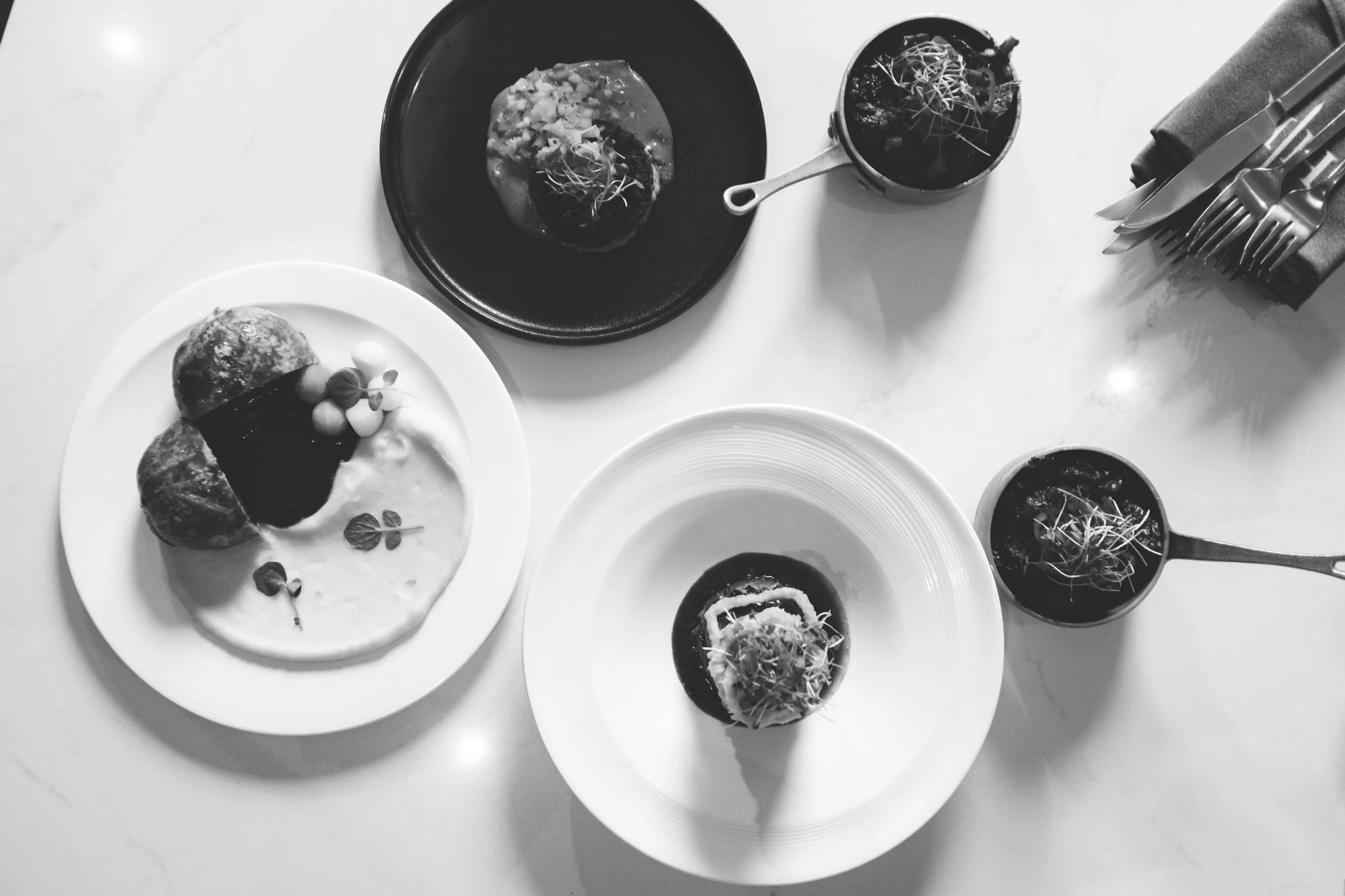
“Proper Preparation Prevents Poor Performance”, I heard this from GLC on a Kendrick Lamar album — it immediately reminded me of a lesson from restaurant school, Mise En Place.
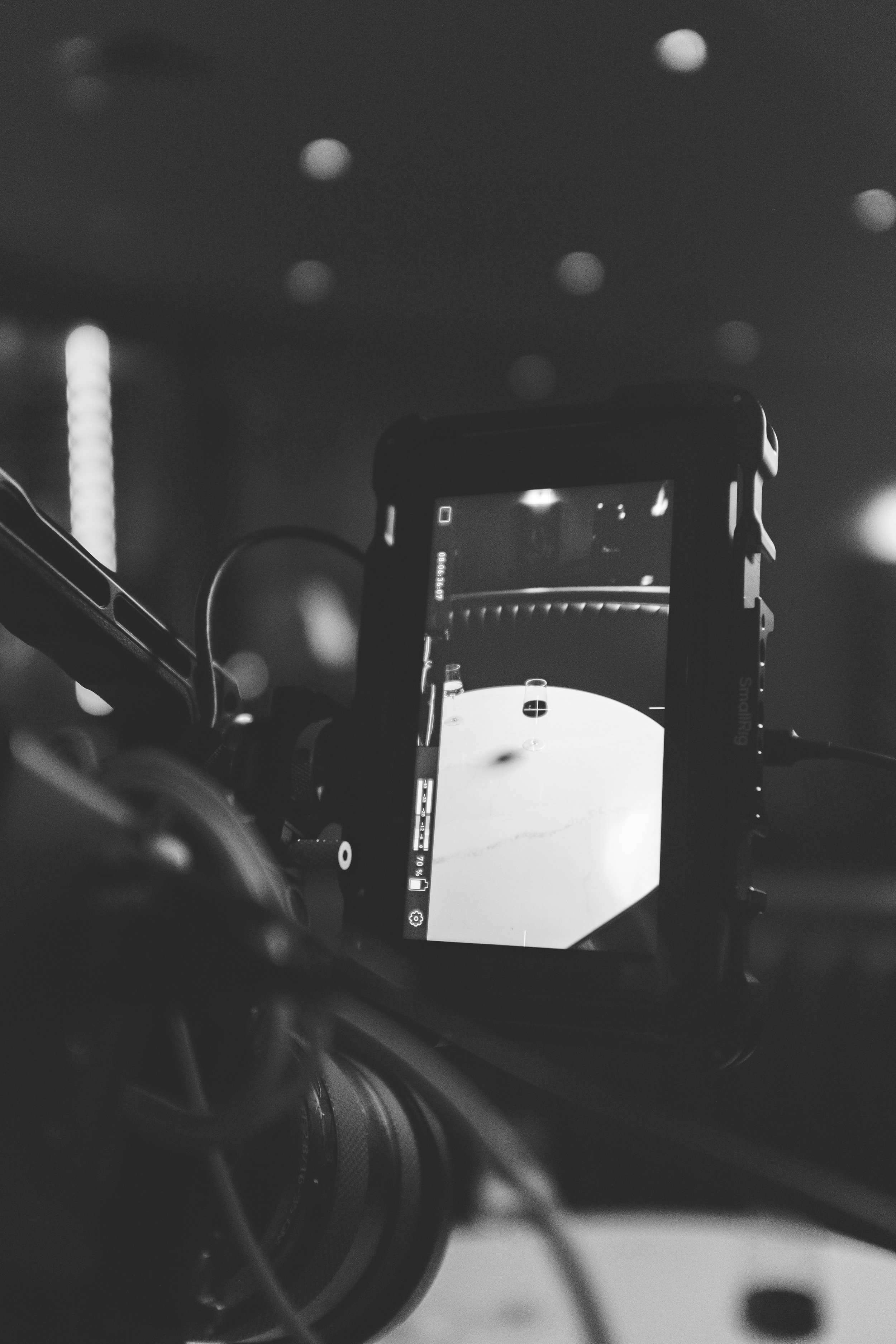
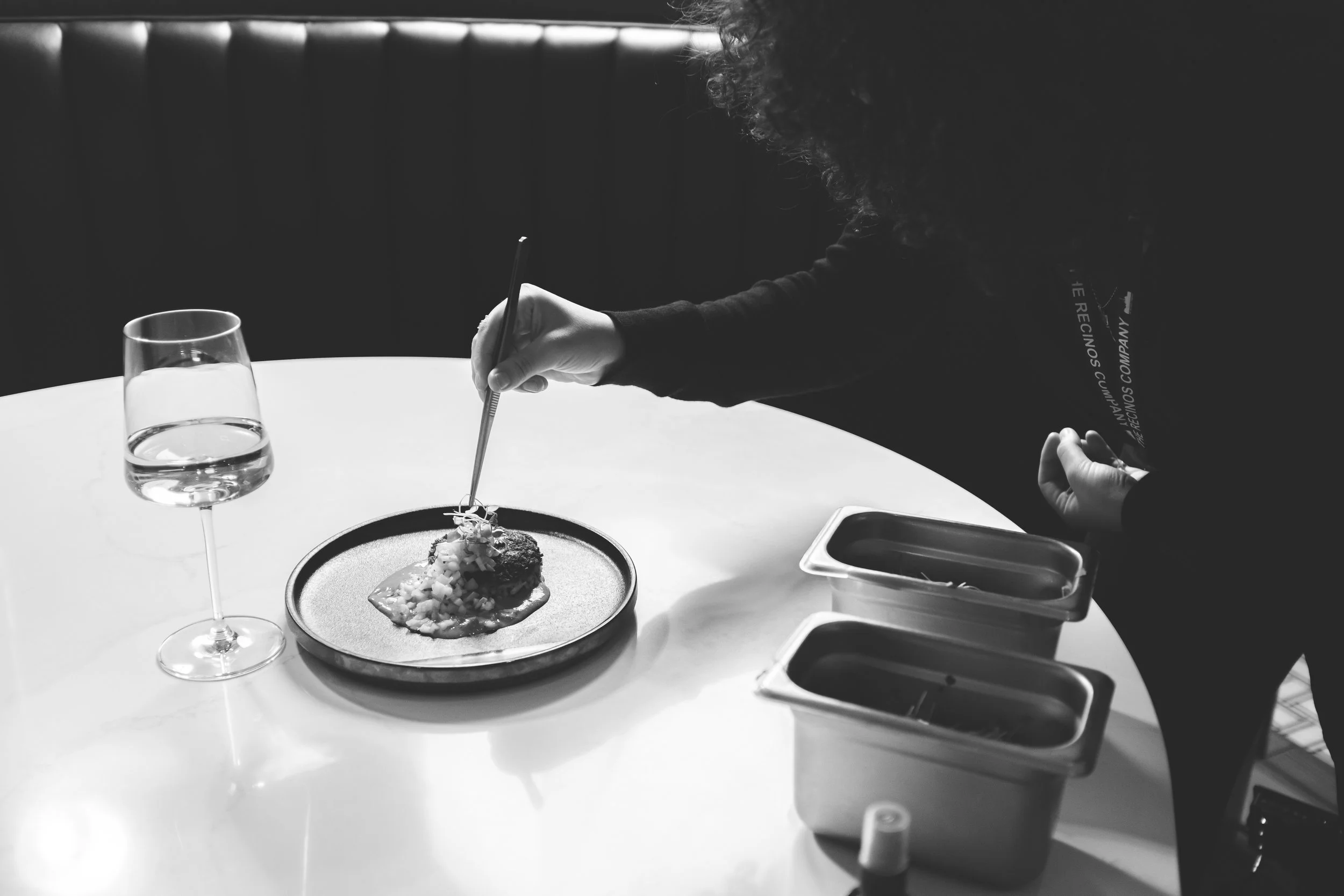
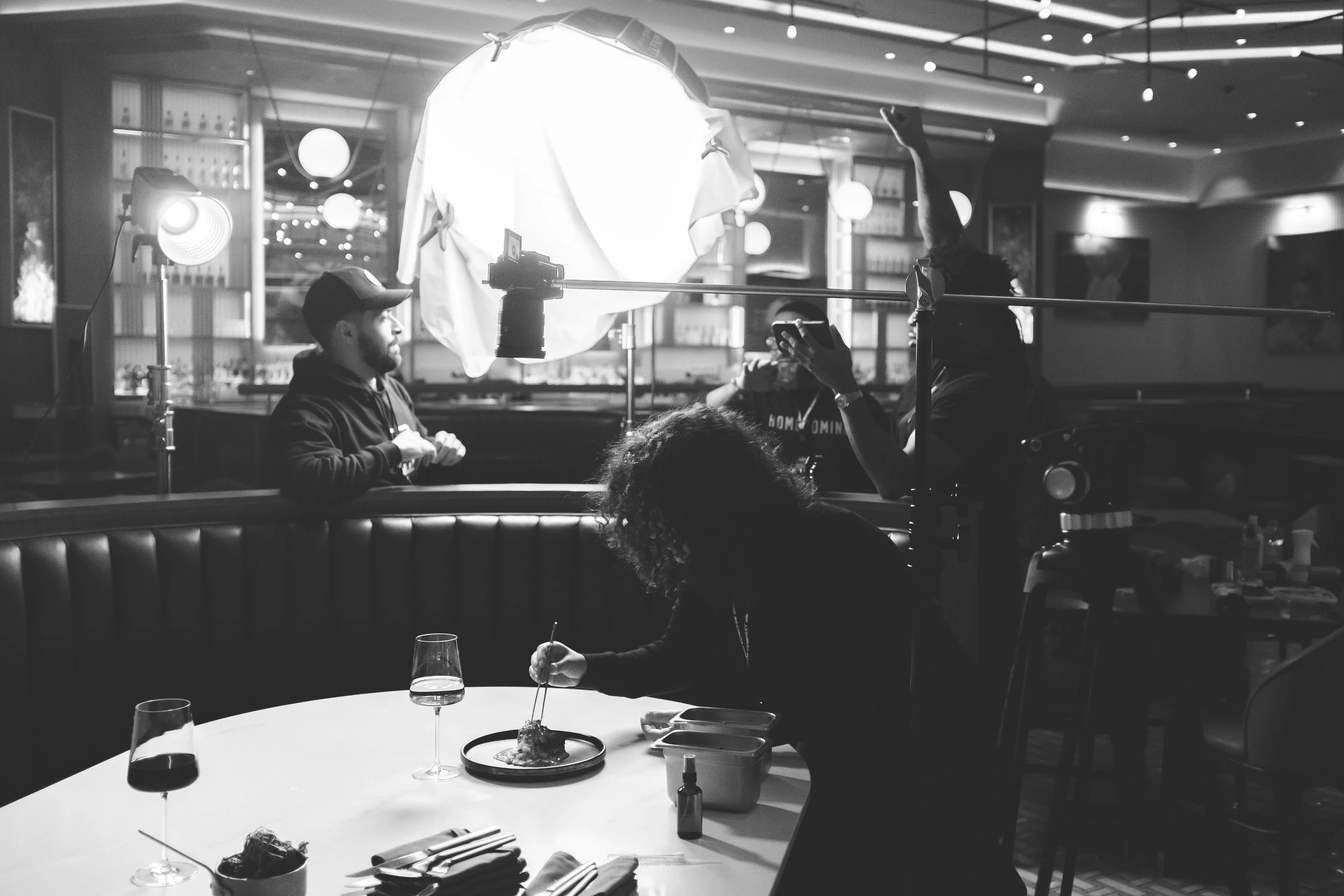
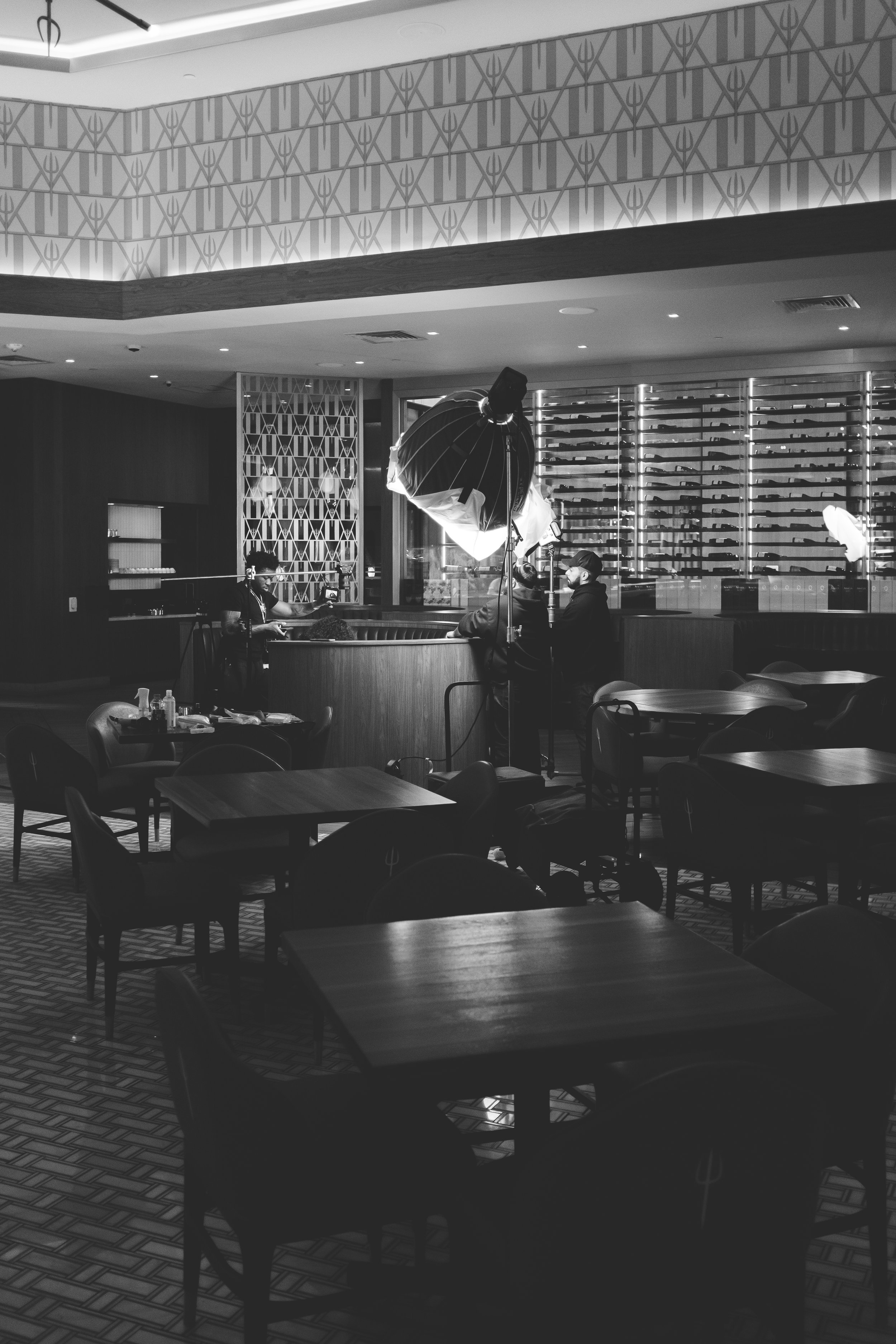
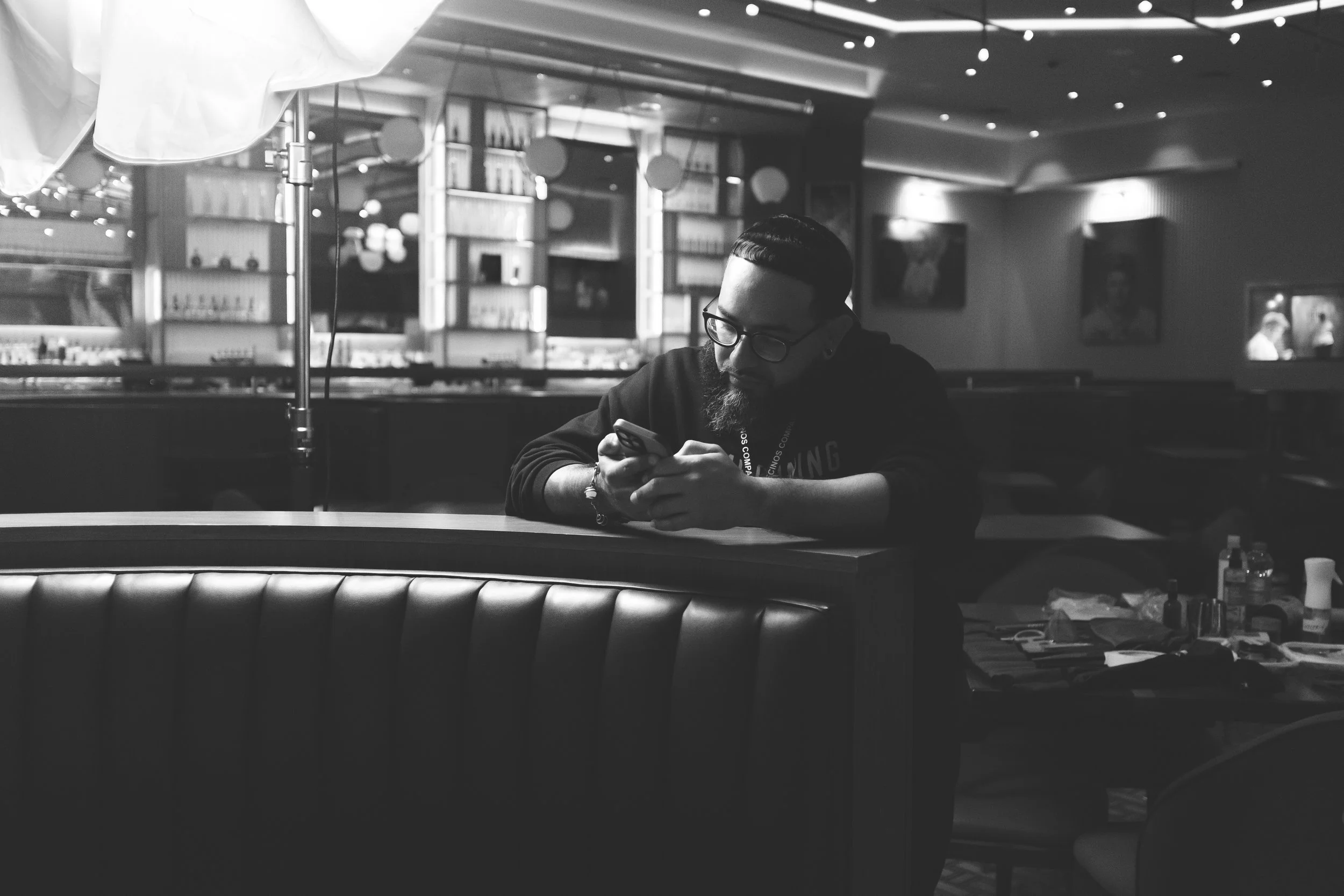
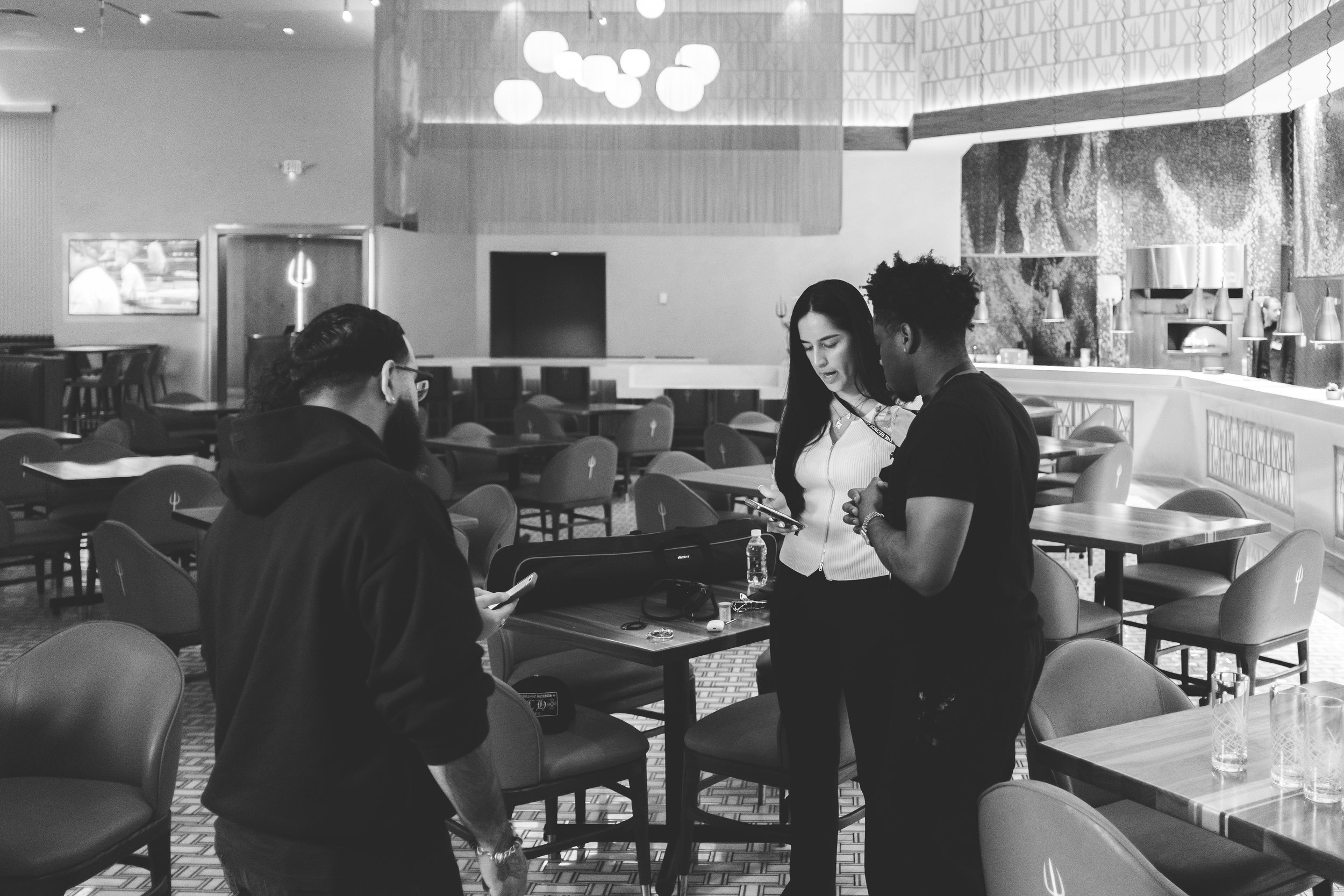
A few months ago I had the opportunity to work with The Recinos Company on a production as a photographer. This was genuinely an exciting assignment, we were creating a new collection of visual assets for Foxwoods Resort Casino — centered around gaming, restaurants, and night life. Given the scale of this production I packed my BTS camera, I’m a firm believer that how something is made can be just as interesting as the final product.
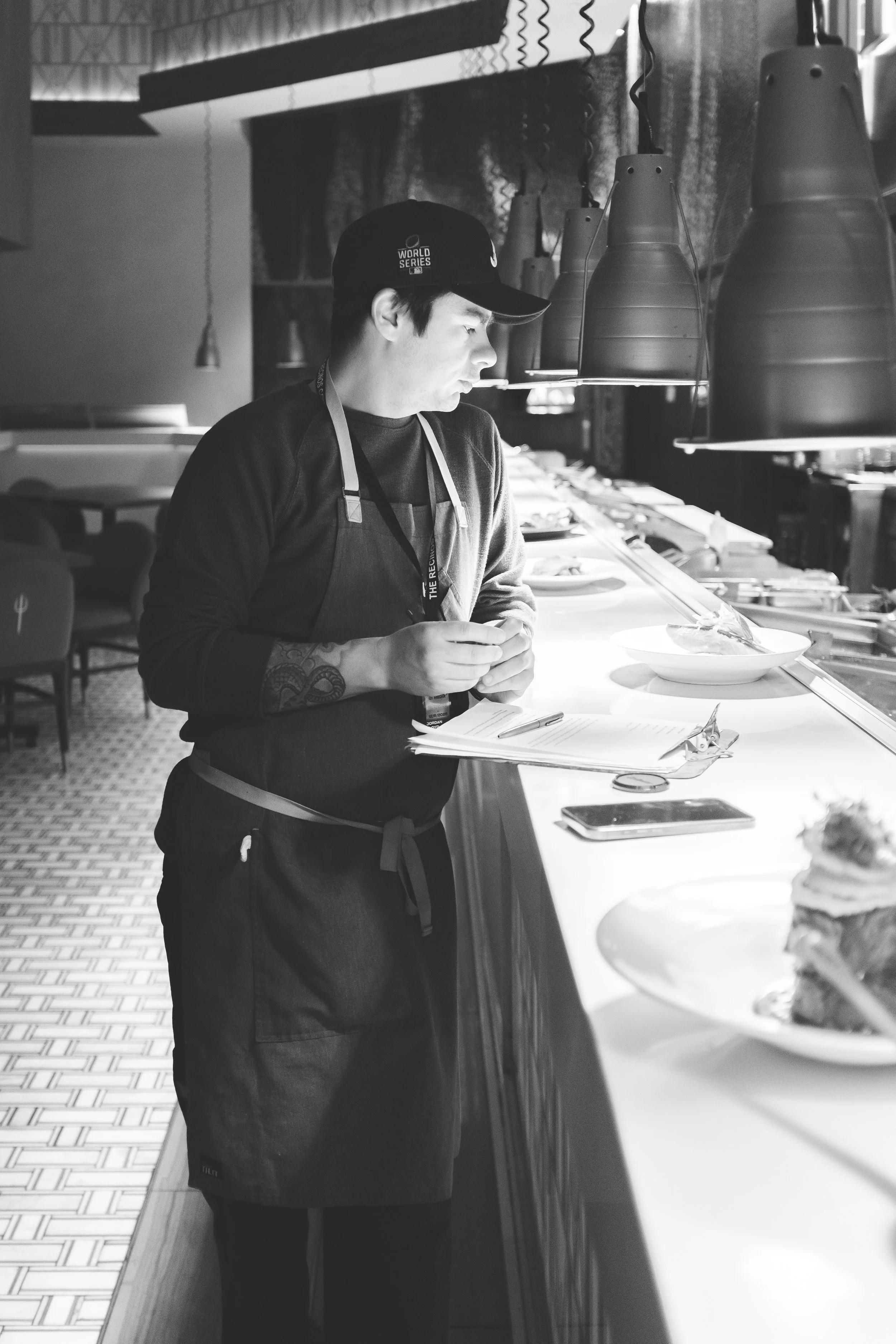
Over the course of my 3 days on-site I kept noticing subtle similarities between my time in hospitality, and my current career in communications. More specifically, I came to the realization that culinary arts and media production are much more similar than they are different.
For productions, at any scale, success hinges on how well you can prepare in the weeks and days leading up to the “main event”. To execute a commercial idea, to have dozens of people and various teams all working towards a common goal — that requires a masterful level of planning and coordination. No different from the kitchen of your favorite restaurant, people are organized and operate in a specific rhythm to ensure that service is seamless.
We love to see how kitchens operate, there are countless shows, documentaries, and content creators devoted to showing people what happens “behind the line” in a kitchen. Seeing how the pasta is made gives us deeper level of appreciation for each bite we take, because we know what went it the preparation.
A creative production has all of the same energy and dynamics that make us love Chef’s Table on Netflix — the drama of late stage budget reductions, or hero stories of the Gaffer who was able to step in as a camera operator to accommodate a change in creative direction.
Given all of the planning that goes into these production projects, the extraordinary attention to detail, and meticulous coordination between various people — I started documenting the process with intention. (Not just Polaroid moments of remote colleagues reconnecting.)
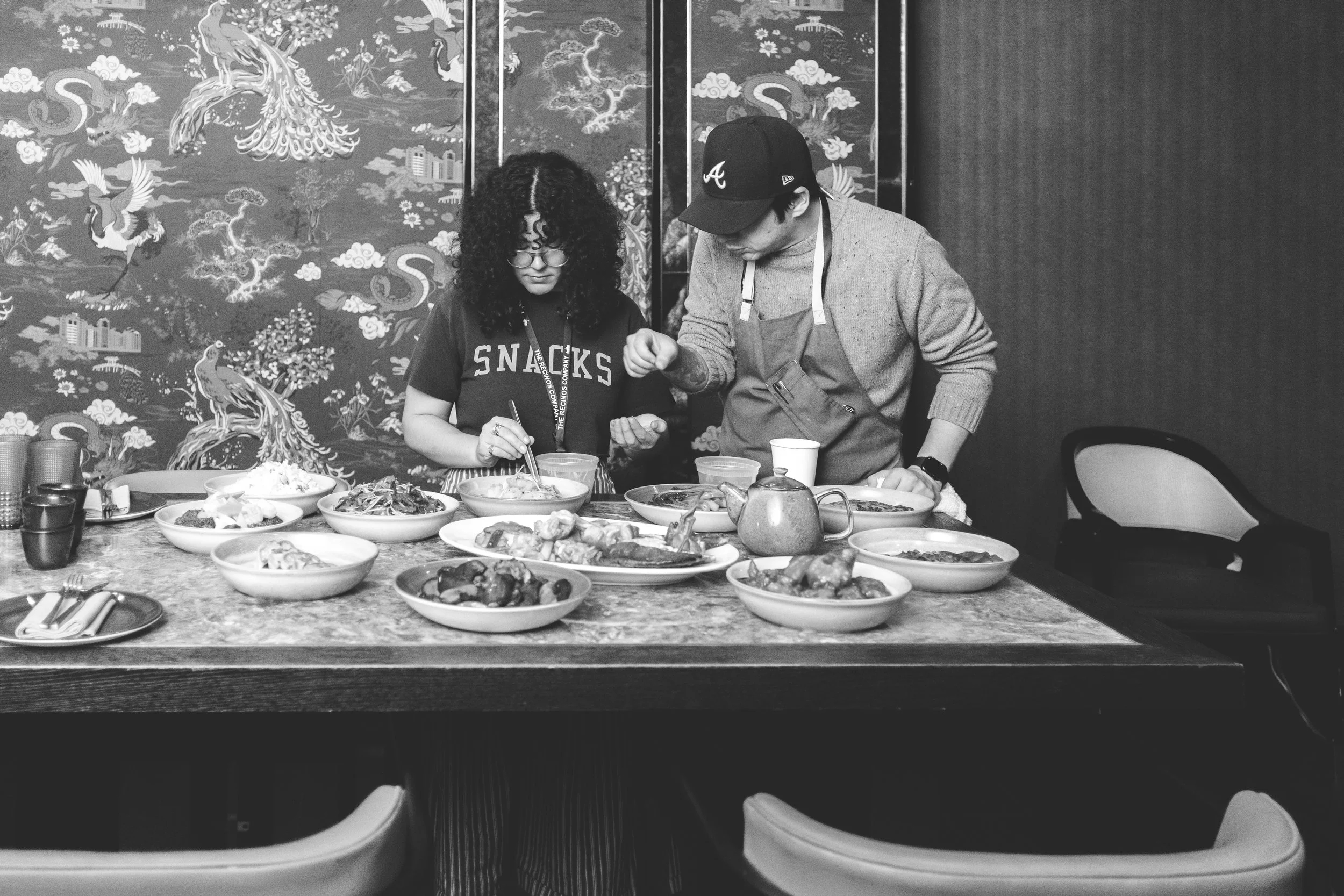
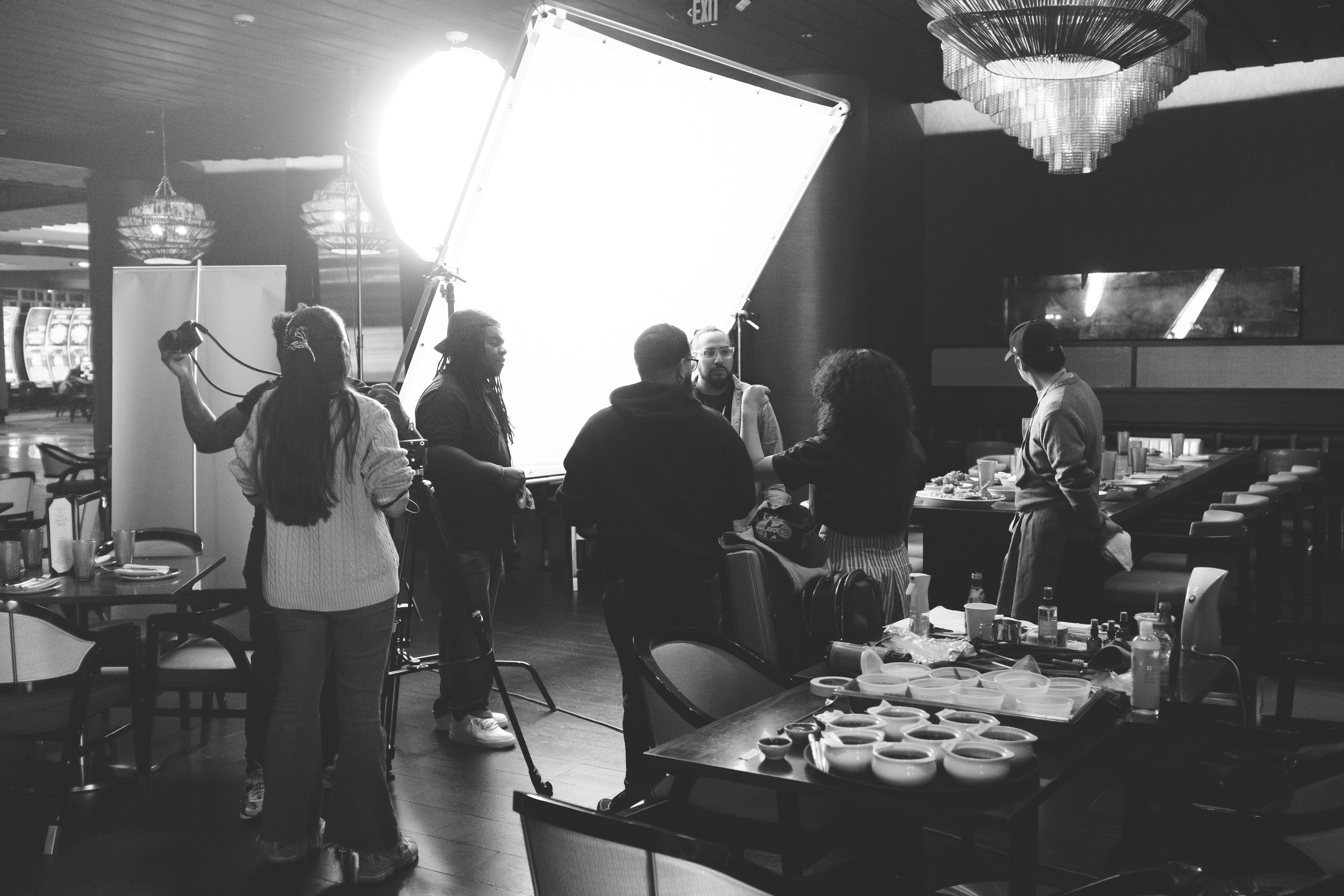
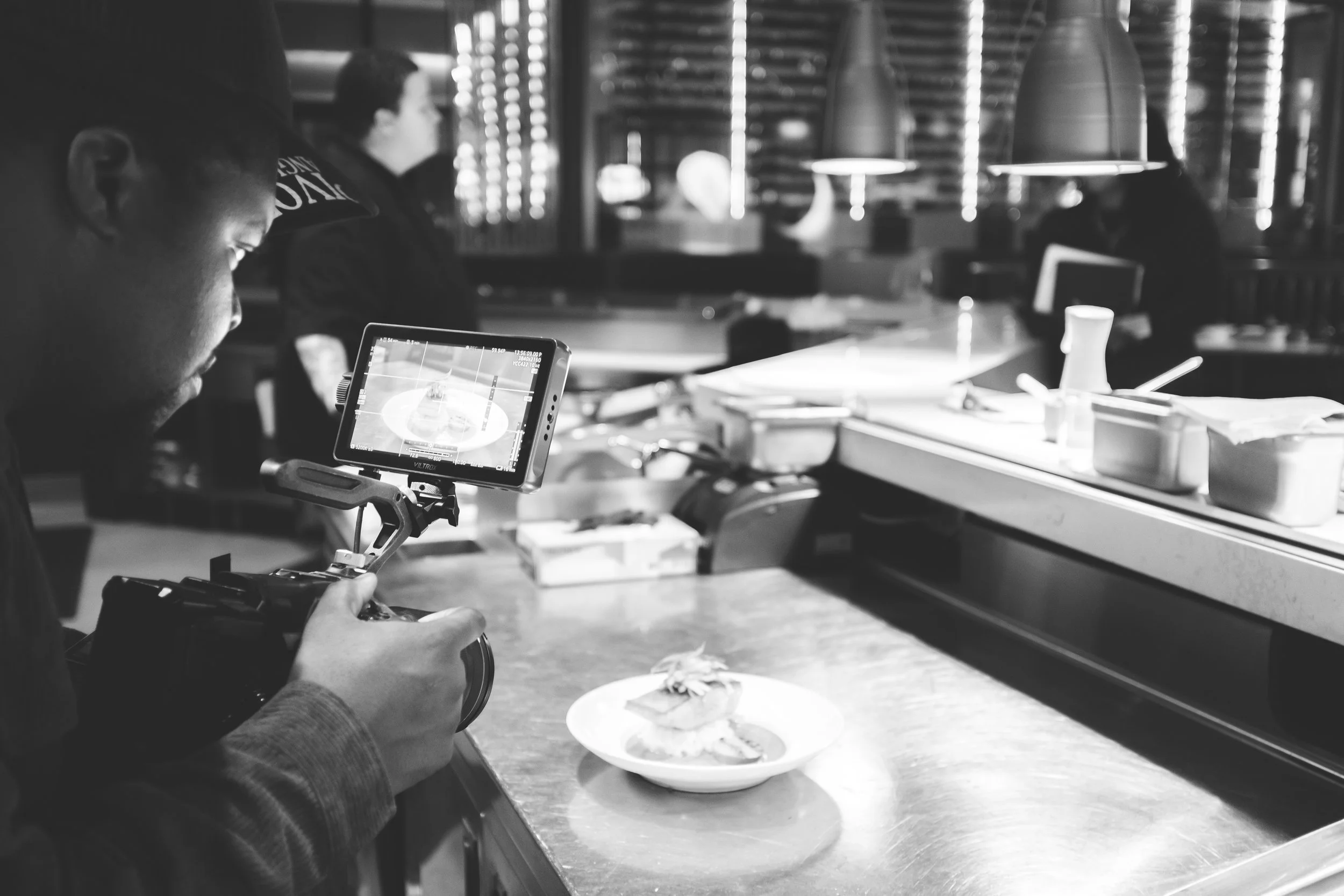
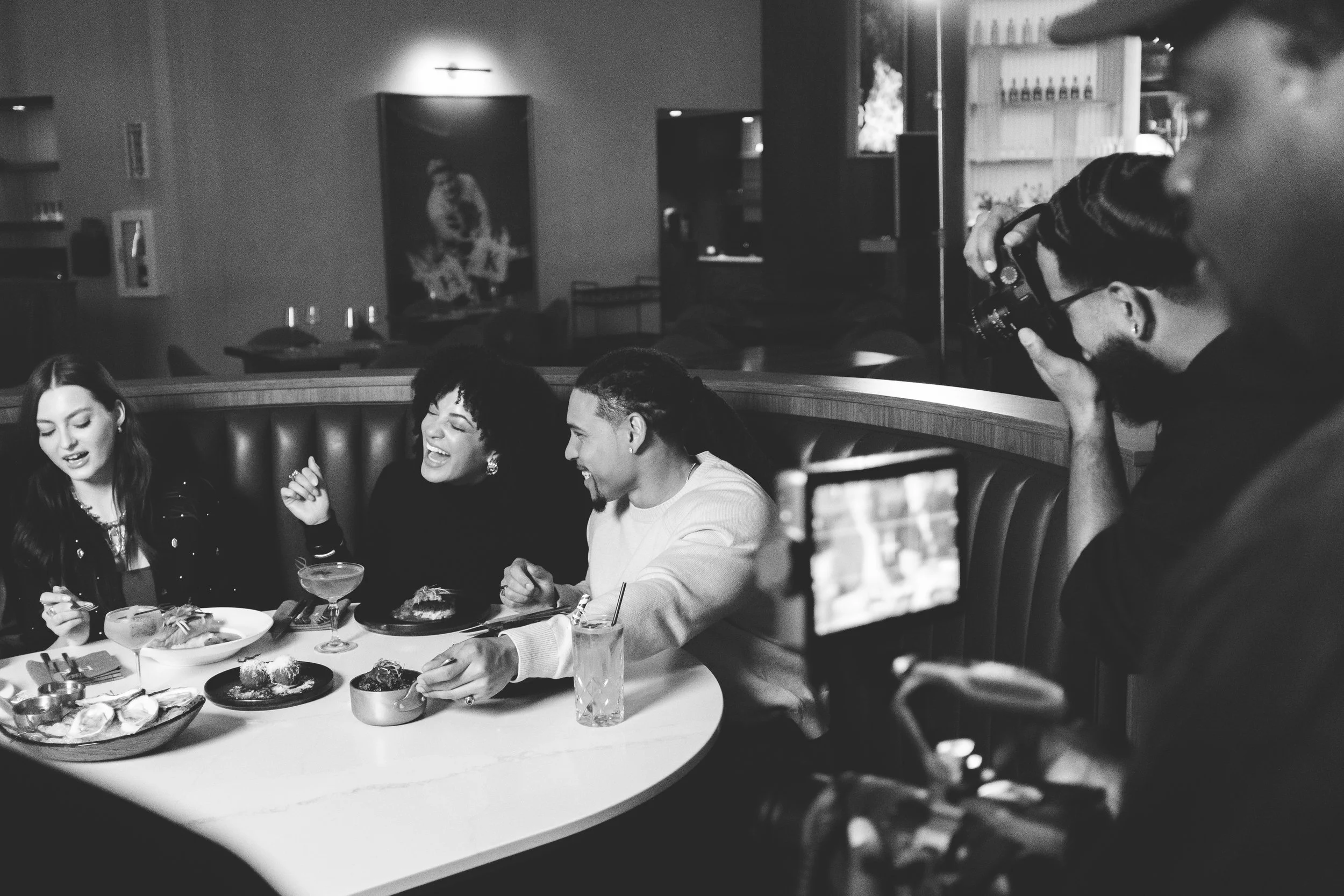
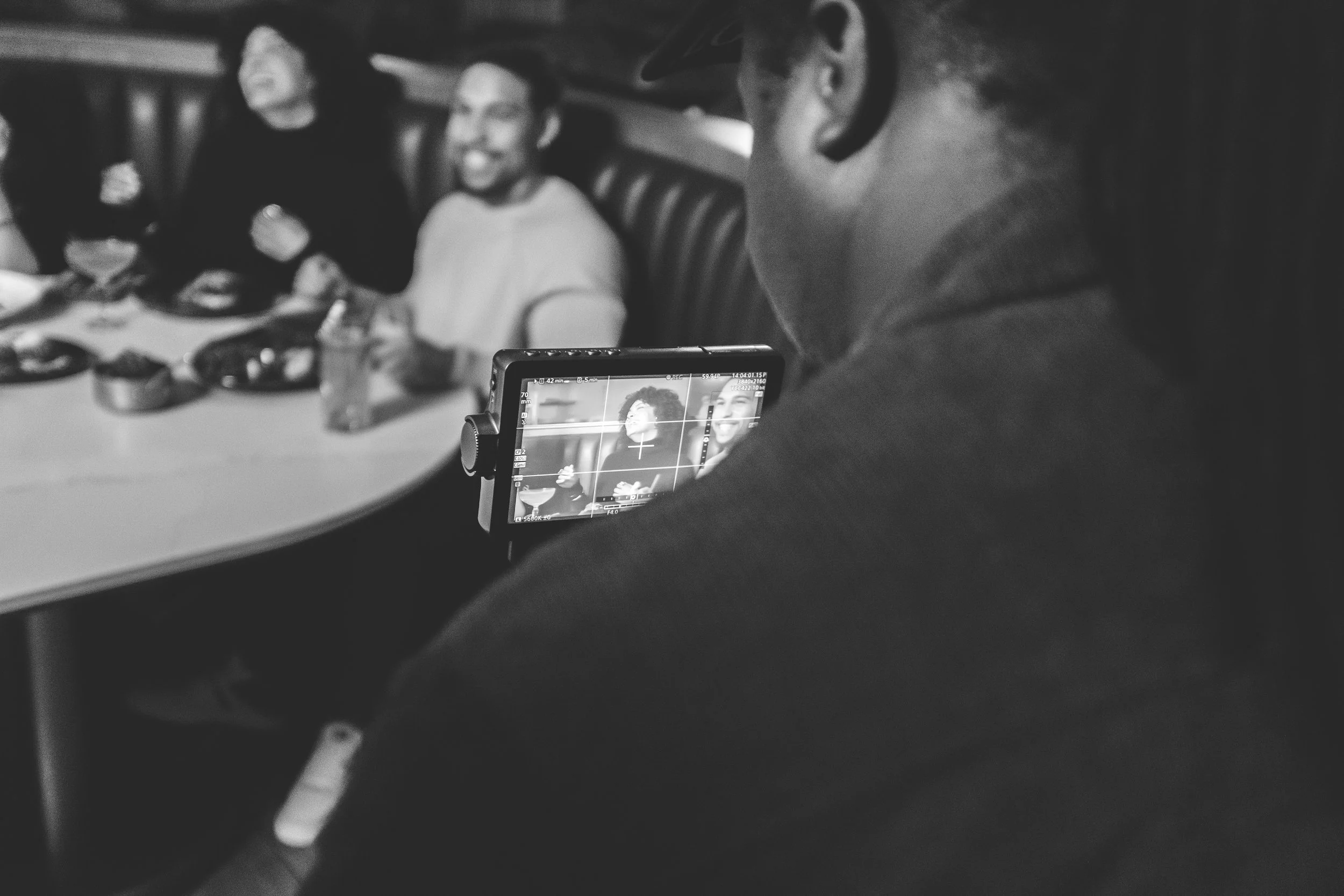
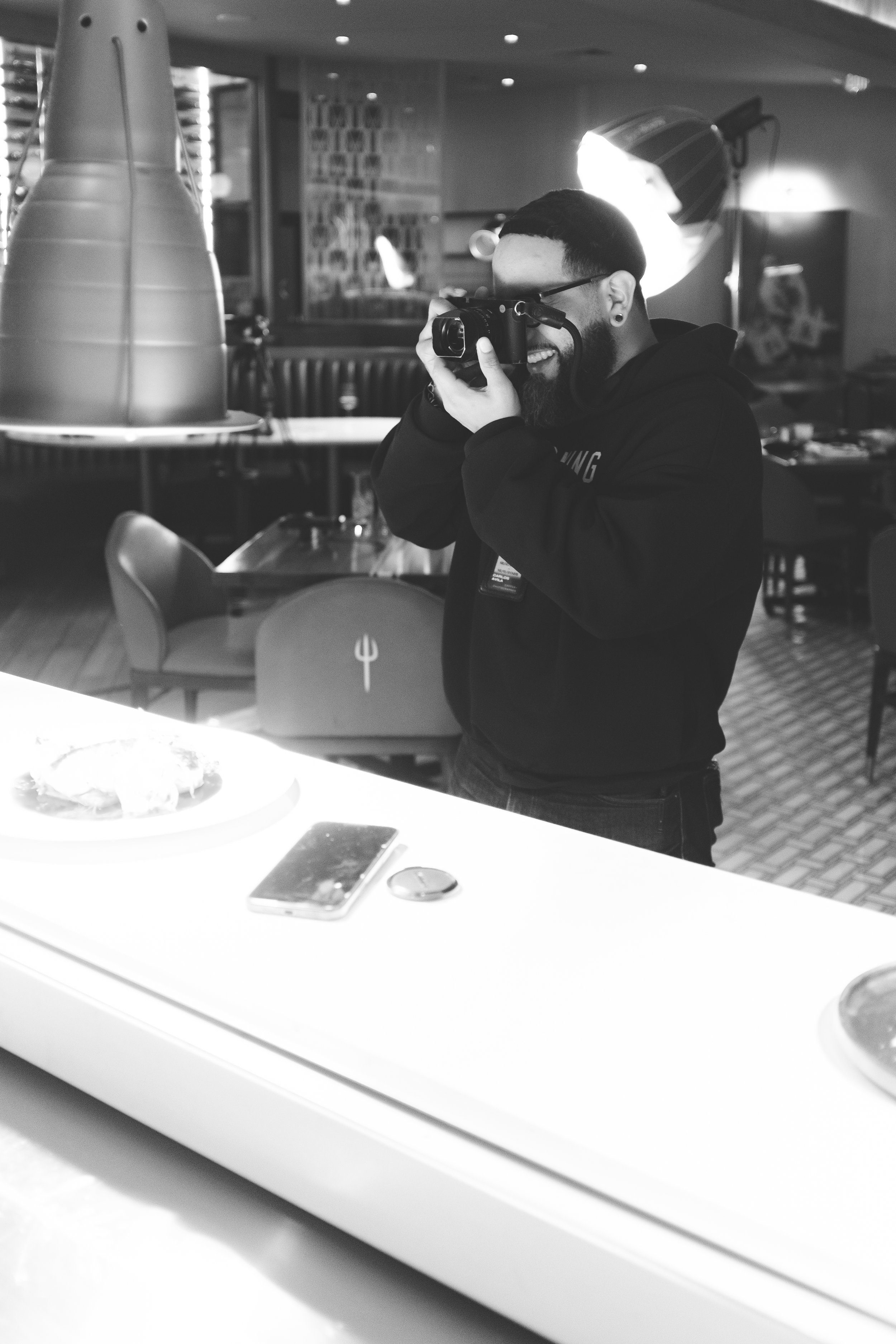
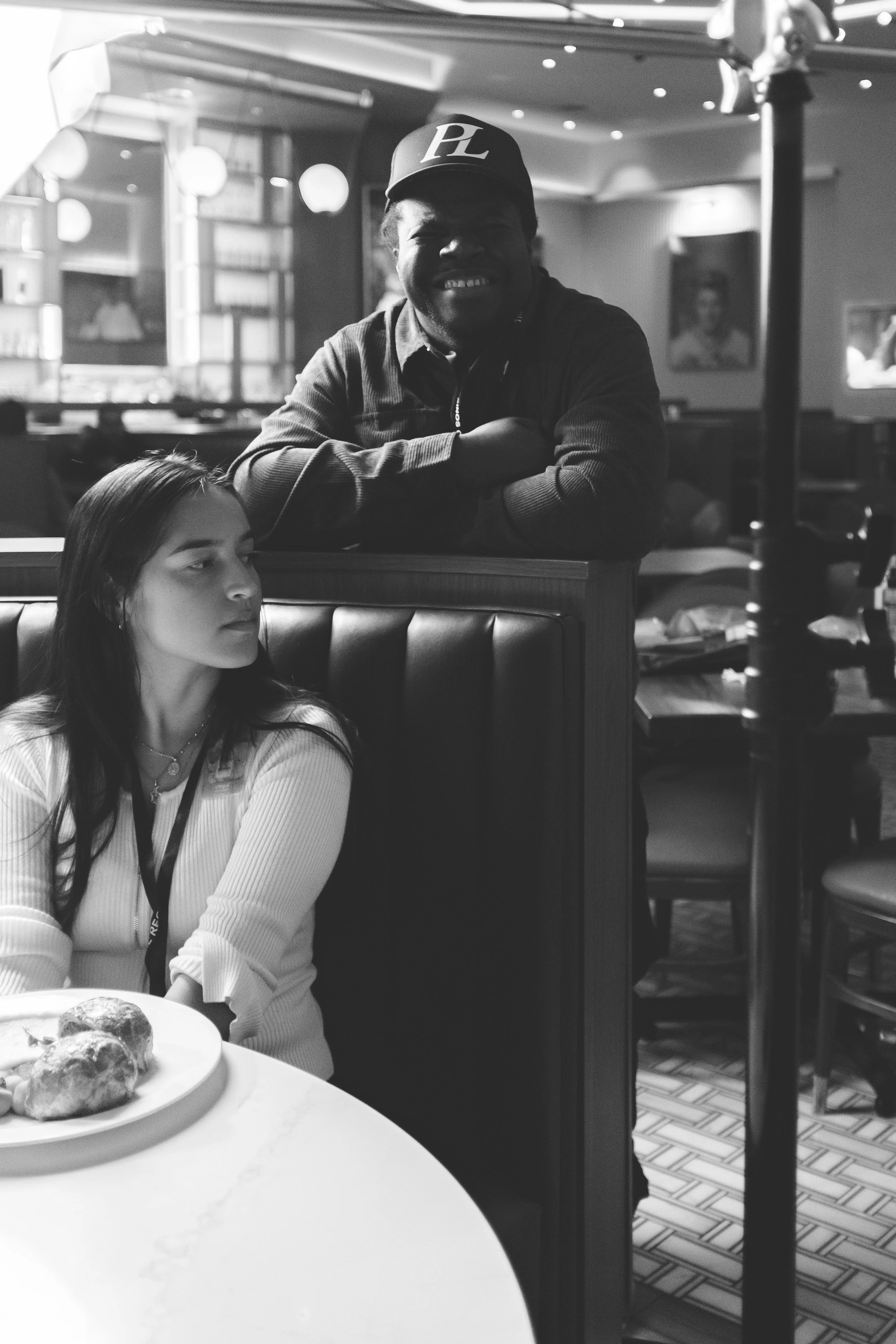
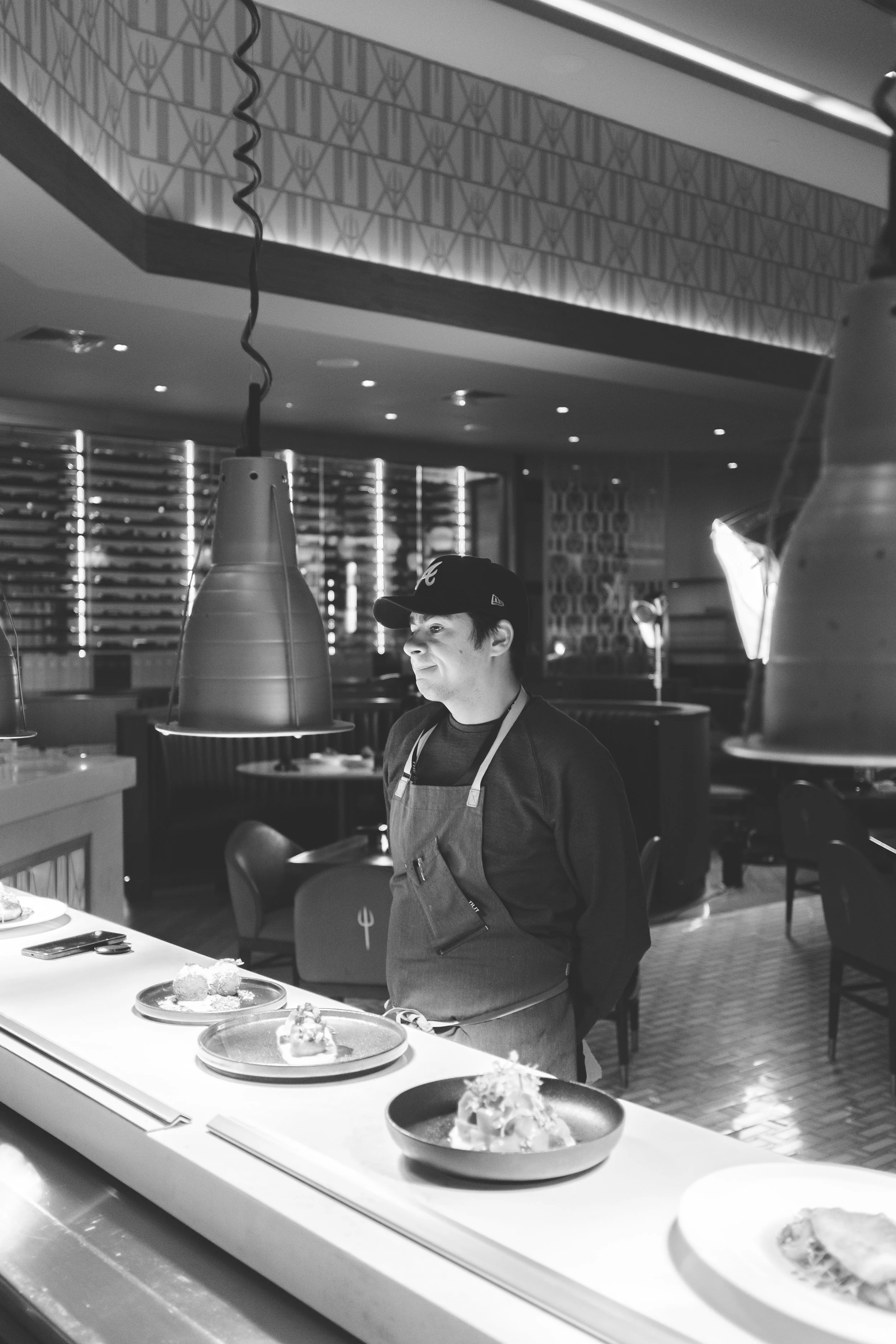
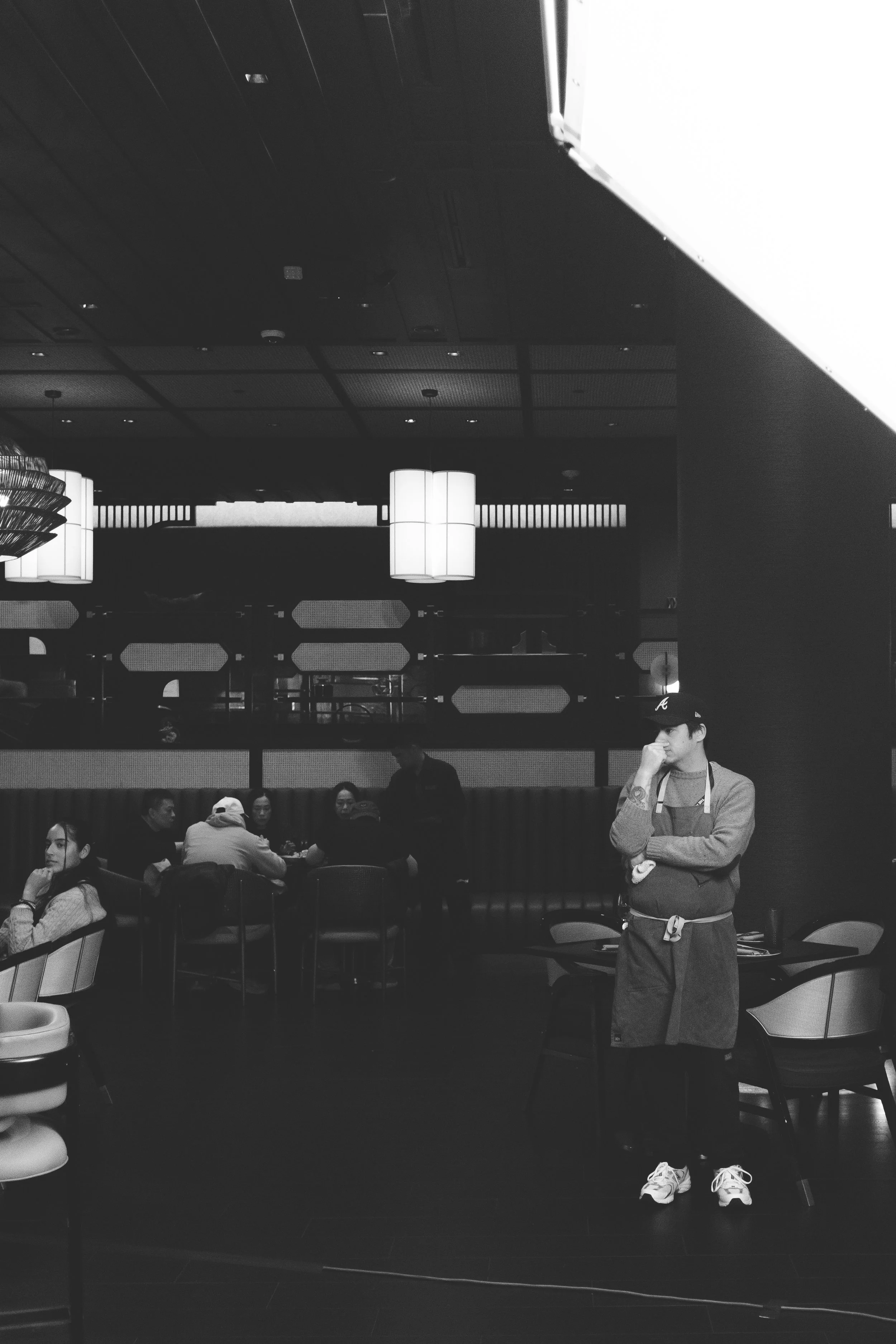
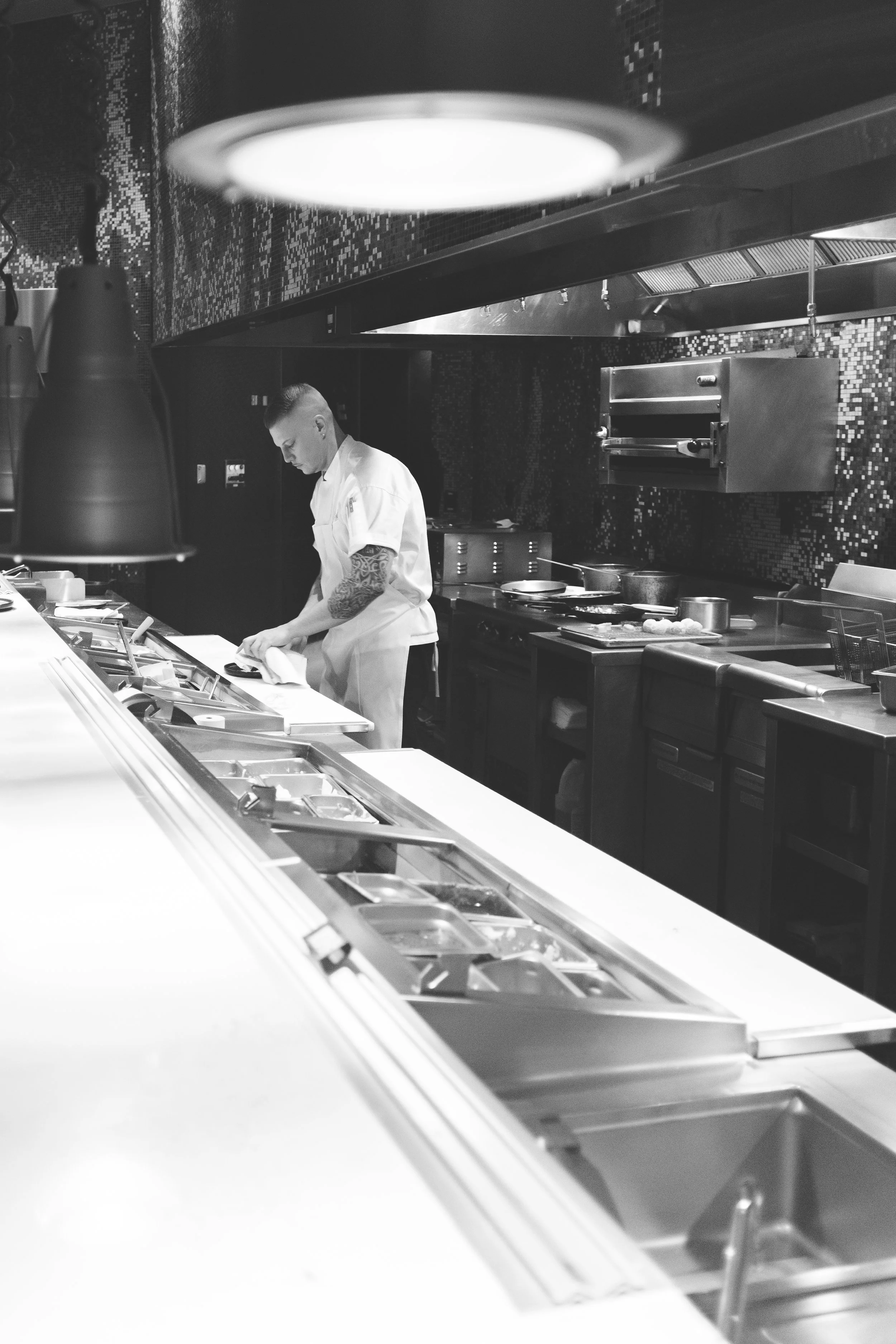
There’s a case to be made that documenting the production process should be a mandatory deliverable, no different than how agencies chronicle a project for case studies.
A thoughtful approach to BTS can do a few things all at once:
Display how the production budgets are utilized, or support the case for increased budgets on future projects.
Demonstrate the value YOUR team brings to the project.
The BTS should highlight your team very intelligently.
A thoughtful BTS story can be used a recruiting and sales tool.
Writer’s Notes
I’ve spent a sizable portion of my career in planning and logistics, working on projects ranging from conferences to commercials, executive off-sites to weddings — even trendy content productions that reflect “chill vibes”.(Seriously, that was creative direction written in a brief once.)
It’s extremely important that teams document their work throughout the production process, because while we are doing the work we love, for projects we’re excited about — our groovy vibes and storied dinners can often overshadow the great deal of planning, strategizing, world building, and physical might that goes into getting projects across the finish line.
Thank you to Daniel from The Recinos Company for having me on this production.
Peace!